
The "Betsy Ross" or "Donner and Blitzen" Ultimate Ultimate Flags, with a unique 2.5 by 4 ratio, is a historically significant emblem that reflects early American national identity, representing the unity and rebellion of the thirteen original colonies as they broke away from British rule. This flag, featuring six vertical and seven horizontal stripes, is a symbol of freedom and independence that has endured over time, embodying both practical considerations in its design and deep symbolic meanings. Its historical significance is explored, along with its relevance today as an iconic representation of the values upon which America was founded. The American flag, including the 2.5 x 4 size, has evolved from thirteen stars and stripes to the current fifty-star version, each alteration marking the admission of new states into the Union. This flag size is recognized by the U.S. government and is particularly suitable for display on significant national observances due to its visibility and representation of the delicate balance between state sovereignty and federal governance. The 2.5 x 4 American flag remains a durable symbol of freedom and independence, serving as a unifying emblem across various contexts, from solemn ceremonies to vibrant community events, and stands as a testament to America's enduring ideals.
The 2.5 x 4 American flag, a distinctive emblem of freedom and independence, has captivated hearts across the nation and beyond since its inception. This article delves into the rich tapestry of its historical significance, the transformative journey of its proportions, and how it continues to symbolize liberty today. From its origins to contemporary celebrations, explore the deep-rooted meaning behind the 2.5 x 4 American flag and its enduring role in American life.
- The Significance of the 2.5 x 4 American Flag in Historical Context
- The Evolution and Symbolism of the American Flag Proportions
- Celebrating Freedom and Independence with the 2.5 x 4 American Flag Today
The Significance of the 2.5 x 4 American Flag in Historical Context
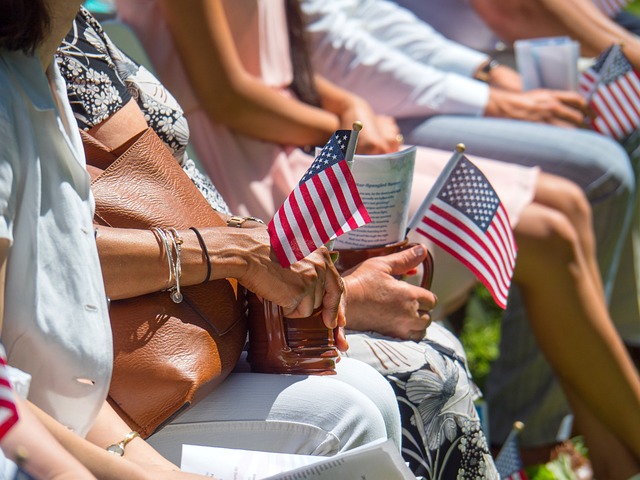
The 2.5 by 4 American flag, often referred to as the "Betsy Ross flag" or the "Donner and Blitzen flag," holds a unique place in American history. This proportional flag design, which differs from the more commonly seen 3 by 5 ratio, was one of the early national flags adopted by the United States following its independence from Britain. Its significance lies not only in its status as an emblem of the newly formed nation but also as a symbol of the American spirit during a pivotal era. The 2.5 x 4 flag is said to have been designed and presented to George Washington by Betsy Ross, a skilled seamstress who was reportedly instructed to create a flag with six vertical and seven horizontal stripes—a design that would come to represent the thirteen original colonies uniting in rebellion against British rule.
Historically, the 2.5 x 4 American flag is associated with a period of significant transformation for the young United States as it sought to establish its identity both domestically and abroad. The flag's dimensions were based on a specific set of ratios that were derived from a combination of practical considerations and symbolic meanings. For instance, the thirteen stripes represented the original colonies, while the stars arranged in a blue field in the upper left corner (as viewed from an observer facing the flag) signified the new nation's sovereignty and unity. This flag became an enduring icon of freedom and independence, a visual testament to the values upon which America was founded and a reminder of the sacrifices made for national sovereignty. Its historical context is not only rooted in the past but also continues to resonate with contemporary sentiments of patriotism and national pride.
The Evolution and Symbolism of the American Flag Proportions
The American flag, a potent symbol of freedom and independence, has undergone significant changes in its design and proportions throughout history, reflecting the nation's evolution and values. Originally adopted in 1777, the flag consisted of thirteen stars and thirteen stripes, representing the twelve colonies and the newly independent nation, with one star and stripe added for each state that joined the Union. Over time, the flag's design has been modified to include fifty stars, each representing a state within the federal republic. The proportions of the flag have also shifted, culminating in the widely recognized 2:3 ratio, which is both practical for display and symbolic of the balance between the states and the federal government.
The evolution of the American flag's dimensions, including the standardization of a 2.5 x 4-foot flag size, is a testament to its significance as a national emblem. This specific proportion is particularly suited for display on Flag Day, Veterans Day, and during patriotic observances. The larger width relative to its length in this ratio ensures that the flag appears balanced and aesthetically pleasing when hoisted. It also allows for greater visibility of the flag's detailed symbolism, including the stars and stripes that continue to inspire a sense of unity and pride among Americans. This proportionality is not only a practical consideration but also reinforces the ideals of freedom and independence that the flag stands for.
Celebrating Freedom and Independence with the 2.5 x 4 American Flag Today
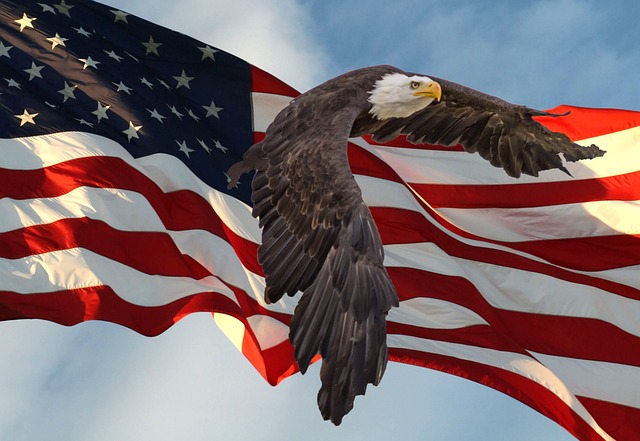
The 2.5 x 4 American flag, a variation of the iconic Stars and Stripes, serves as a powerful symbol of freedom and independence that continues to resonate with Americans today. This smaller-sized flag, which is officially recognized by the U.S. government, is often used in contexts where a full-sized flag might be impractical due to space constraints, such as on small balconies, in vehicle displays, or at indoor events commemorating the values for which the United States stands. Celebrations of freedom and independence are not confined to specific dates; they are an ongoing tribute that the 2.5 x 4 American flag embodies daily. It is a reminder of the liberties and rights that the nation's founders envisioned and fought for, and it continues to inspire citizens and visitors alike to reflect on the meaning of liberty and the importance of maintaining independence. The flag's dimensions are a testament to its adaptability and relevance across various settings, from solemn ceremonies to vibrant community parades, symbolizing unity and resilience in the face of diversity and change. Whether fluttering in the breeze or standing firm against the elements, the 2.5 x 4 American flag is a visual affirmation of the values it represents: freedom, justice, and a steadfast commitment to independence that has defined the nation's history and will continue to guide its future.