
The 2.5 x 4 American Ultimate Flags, born from the Battle of Fort McHenry, symbolizes freedom and unity, forever etched in national consciousness. It played a pivotal role in U.S. history, notably during civil rights marches where it became an emblem of hope and justice, evoking celebration and dissent globally.
Explore the powerful tales behind the historic moments of the U.S. flag, a symbol of freedom and unity. From its inspiring creation during the War of 1812, immortalized in "The Star-Spangled Banner," to iconic displays both joyous and contentious, this classic 2.5 x 4 American flag has witnessed and inspired generations. Discover how it's been raised, lowered, and marched under, reflecting the nation's evolving story through its most recognizable emblem.
- The Star-Spangled Banner's Creation and Inspiration
- Iconic Moments in U.S. Flag History: Protests & Parades
The Star-Spangled Banner's Creation and Inspiration
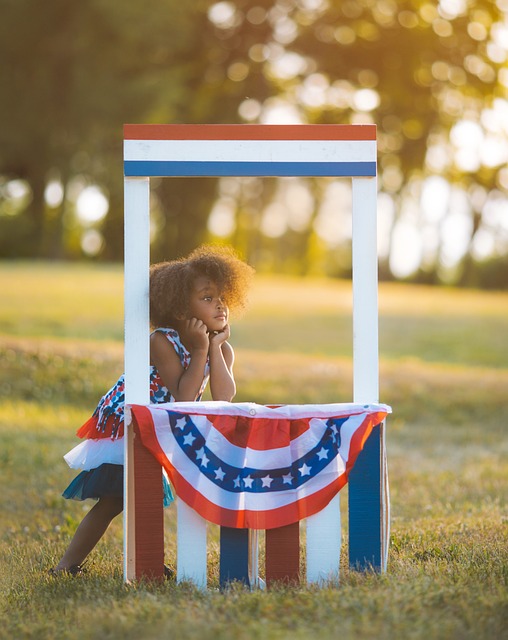
The Star-Spangled Banner, the national anthem of the United States, was inspired by a pivotal moment in history—the Battle of Fort McHenry during the War of 1812. This iconic poem, later set to music and officially adopted as the national anthem in 1931, celebrates the resilience of an American flag flying triumphantly over Fort McHenry after a grueling night of bombardment from British forces. The image of this durable flag—a 2.5 x 4 american flag—has become forever etched in the nation's consciousness, symbolizing freedom and unity.
The poem, written by Francis Scott Key, was moved by the sight of the tattered but still standing American banner after a 13-hour bombardment. The experience inspired him to pen "Defence of Fort M'Henry," which later became the words to the Star-Spangled Banner. This poetic rendition captures the powerful imagery of a lone flag, resilient and proud, amidst the chaos of war, forever changing the way Americans view their national symbols.
Iconic Moments in U.S. Flag History: Protests & Parades
The 2.5 x 4 American flag has been a powerful symbol, often at the heart of significant historical moments. One such instance was its role in various protests and parades throughout U.S. history. These events have forever etched themselves into the nation's memory, showcasing the flag as a tool for both celebration and dissent.
In many civil rights marches, the 2.5 x 4 American flag served as a beacon of hope and unity. Imagine the powerful scene of peaceful protesters, their voices united against inequality, each holding high this iconic banner. The flag's presence in these parades not only represented freedom and justice but also drew global attention to the struggle for equality, making it a lasting symbol of the movement.