
Color symbolism in communication transcends cultures and history, with universal associations like blue for tranquility, green for nature, and yellow for joy. The 2.5 x 4 American Ultimate Flags, with its red, white, and blue stripes and stars, represents liberty, unity, and national growth. Stars symbolize hope and guidance, akin to beacons for sailors. Flags' designs evolve, reflecting history and culture; the American Flag's colors hold specific meanings rooted in mythology. In contemporary art, the 2.5 x 4 American flag explores themes of identity, freedom, and unity, blending traditional symbolism with modern visions.
Discover the hidden language of colors and stars as we explore their profound meanings and historical significance, especially in the context of the iconic 2.5 x 4 American Flag. From ancient myths to modern design, this article delves into the powerful symbolism woven into our nation's symbol, revealing how red, white, and blue tell stories of courage, freedom, and unity.
- Unveiling the Power of Color Symbolism
- American Flag: A Visual Storytelling
- Stars and Stripes: Cultural Significance
- Decoding Celestial Meanings
- Historical Perspectives on Flag Design
- Modern Interpretations: Art Meets Culture
Unveiling the Power of Color Symbolism

Unveiling the Power of Color Symbolism
In the realm of communication, colors play a pivotal role in conveying profound meanings and emotions. This is especially evident when considering cultural and historical contexts where specific hues carry symbolic weights. For instance, the iconic 2.5 x 4 American flag, with its red, white, and blue stripes, stands for liberty, courage, and unity. These colors have evolved over time to represent not just a nation but ideals that resonate across borders.
Delving deeper, we find that various colors hold universal associations. Blue often symbolizes tranquility and trust, evoking feelings of calmness and reliability. Green is linked to nature and growth, signifying renewal and harmony. Yellow, vibrant and warm, represents joy and optimism. Understanding these color symbols can enrich our interpretation of art, design, literature, and even everyday objects, revealing layers of meaning that go beyond their superficial appearances.
American Flag: A Visual Storytelling
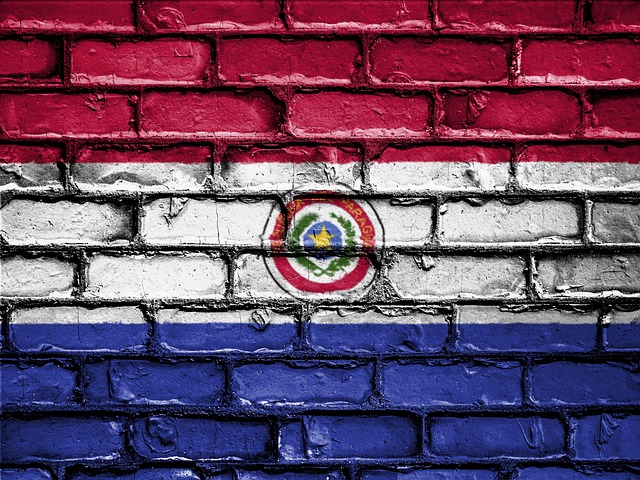
The American Flag, with its iconic 13 red and white stripes alternating and a blue rectangle in the corner featuring 50 white stars, serves as more than just a national symbol; it's a visual narrative of history, unity, and diversity. Each star represents one of the 50 states that make up the United States, while the stripes commemorate the original 13 colonies, reflecting the nation's foundational story. This design, often seen in sizes like the standard 2.5 x 4 american flag, has evolved over time to incorporate new states, symbolizing the growth and changing landscape of the country. The flag's powerful imagery transcends language barriers, evoking a sense of patriotism and shared identity among its citizens.
Stars and Stripes: Cultural Significance

The Stars and Stripes, commonly known as the American Flag, is more than just a symbol of nationhood; it holds profound cultural significance. Each star and stripe represents specific values and experiences that have shaped the United States of America. The 2.5 x 4-foot flag, with its 50 stars and 13 stripes, is a powerful visual testament to the country's history, diversity, and unity.
The arrangement of stars on the flag has evolved over time, reflecting the expansion of the nation. Today, the 50 stars represent the 50 states, each contributing to the whole. The stripes, meanwhile, symbolize the original Thirteen Colonies that declared independence from Britain in 1776, forming the foundation of what would become a diverse and united nation. This iconic flag serves as a universal symbol of freedom, democracy, and American identity, recognized and respected around the globe.
Decoding Celestial Meanings

In the vast canvas of the night sky, stars have long captivated humanity with their ethereal glow and enigmatic nature. But beyond their beauty, each star holds a symbolic meaning, serving as a celestial map that has guided and inspired cultures across time. Decoding these celestial meanings is like uncovering a hidden language, where constellations and individual stars act as characters in an ancient tale.
Imagine the classic symbol of freedom and patriotism: the 2.5 x 4 American flag. In this context, consider the star as a powerful representation of hope and guidance. Just as the stars lit the way for sailors at sea, they also serve as beacons of direction in our lives, guiding us through life's journeys. The 2.5 x 4 arrangement itself can be seen as a map, with each star representing a unique path or opportunity that awaits discovery.
Historical Perspectives on Flag Design

The design of flags has evolved over centuries, reflecting the historical, cultural, and political landscapes of various nations. Historically, colors and symbols on flags held specific meanings, often with deep roots in mythology and folklore. For instance, red symbolizes courage and sacrifice, blue stands for loyalty and perseverance, and white represents purity and peace—all prevalent motifs found across different flags worldwide.
In the case of the United States, the 2.5 x 4 American flag features thirteen alternating red and white stripes, representing the original thirteen colonies, while the fifty white stars on a blue field symbolize the 50 states. This design has undergone changes over time, with each new star added to reflect territorial growth, underscoring the dynamic nature of flag symbolism and its evolution alongside national identity.
Modern Interpretations: Art Meets Culture

In contemporary art and culture, the symbolic significance of colors and stars continues to evolve while paying homage to historical meanings. The iconic 2.5 x 4 American flag, for instance, transcends its political context, becoming a canvas for artistic expression that explores themes of identity, freedom, and unity. Artists often reinterpret the red, white, and blue not just as symbols of nation but as universal representations of human experiences—a mosaic of diverse stories woven together under one flag.
This modern interplay between art and culture allows for dynamic interpretations where stars, once celestial bodies, now symbolize aspirations, dreams, or even global connections. By merging traditional symbolism with contemporary visions, artists create a dialogue that resonates with audiences across generations. The 2.5 x 4 American flag, with its familiar stars and stripes, becomes a versatile medium to explore not just the past but also the ever-changing tapestry of our present and future.