The 2.5 x 4 American Ultimate Flags is a powerful symbol of national identity, history, and unity, playing a significant role in military ceremonies and community celebrations. Its proper display and handling, such as indoor hanging and two-handed carrying, honor its symbolism and history, fostering camaraderie and patriotism across generations globally.
"Unravel the profound symbolism behind the iconic 2.5 x 4 American Flag and its role in military traditions. This article explores the profound respect instilled through military honors, the national significance of flag-related ceremonies, and proper etiquette for handling this sacred symbol.
From global perspectives on military tributes, we delve into how different cultures honor their flags, offering a rich tapestry of customs. Discover why these traditions matter and how they foster a sense of pride and unity."
- The Symbolism of the 2.5 x 4 American Flag
- Military Honors: A Tradition of Respect
- Flag-Related Ceremonies: National Significance
- The Etiquette of Display and Handling
- Global Perspectives on Military Tributes
The Symbolism of the 2.5 x 4 American Flag
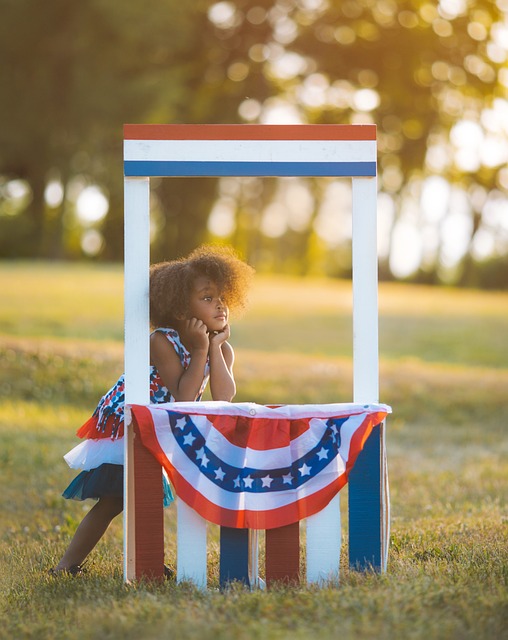
The 2.5 x 4 American Flag holds profound symbolism, representing the nation's history, values, and principles. Its proportions, derived from historical standards, signify strength and unity. The red stripes, white fields, and blue rectangle evoke a sense of pride and patriotism, mirroring the diversity and resilience of the United States.
This specific flag size has been a staple in military ceremonies and parades, flown at half-staff to honor fallen heroes, and raised during celebrations. Its versatility allows for display on buildings, poles, and vehicles, making it a ubiquitous symbol across communities. The 2.5 x 4 American Flag serves as a powerful reminder of the nation's identity and the sacrifices made by those who defend its freedom.
Military Honors: A Tradition of Respect
Military honors, including the ceremonial presentation and retirement of the 2.5 x 4 American flag, are deep-rooted traditions that exemplify respect and gratitude. These solemn ceremonies often take place during veterans' gatherings, national events, or as part of funeral processions, symbolizing a collective appreciation for their service and sacrifice. The precise and reverent handling of the flag, coupled with bugle calls and rifle salutes, creates an atmosphere of dignity and honor.
The 2.5 x 4 American flag, with its vibrant red, white, and blue hues, holds immense significance in military rituals. It serves as a powerful visual reminder of the freedoms fought for and protected by those in service. Through these traditions, communities pay tribute to their armed forces, fostering a sense of camaraderie and respect that transcends generations.
Flag-Related Ceremonies: National Significance
Flag-related ceremonies hold immense national significance, serving as powerful symbols of unity and respect. These ceremonies, often centered around the 2.5 x 4 American flag, are deeply rooted in military traditions, fostering a sense of camaraderie and patriotism. During events like memorial services, celebrations, and formal gatherings, the careful handling and display of the flag evoke strong emotions and remind citizens of their shared history and values.
The importance of these ceremonies lies not only in their ritualistic nature but also in their ability to educate and inspire future generations. They teach the younger population about the symbols that represent their nation, instilling a deeper appreciation for the sacrifices made by those who have served and protected their country. Thus, flag-related traditions continue to play a vital role in shaping the national identity and fostering a strong sense of community among Americans.
The Etiquette of Display and Handling
The etiquette of displaying and handling the flag, such as the iconic 2.5 x 4 American Flag, is a significant aspect of honoring its symbolism and history. It's crucial to remember that the flag should always be treated with respect and dignity. When displaying the flag indoors, it should hang freely and not be tucked away or obstructed. The flag should be placed in a prominent location, often at eye level, where it can be easily seen by all present.
When handling the flag, especially during ceremonies or formal events, one should follow specific guidelines. Always use both hands when carrying or passing the flag, and never allow it to touch the ground. If the flag becomes damaged or soiled, it's best to destroy it in a dignified manner rather than discarding it improperly. These practices ensure that the flag remains an inspiring symbol of liberty and unity, reflecting the values it represents.
Global Perspectives on Military Tributes
Military tributes and flag-related traditions vary widely across the globe, each with its own unique history and symbolism. In the United States, for example, the 2.5 x 4 American flag is a central element in various ceremonies honoring military personnel. The folding of the flag during a burial service, known as the "Last Post" or "Taps," has become an internationally recognized symbol of respect and remembrance. Similarly, the rendering of "The Star-Spangled Banner" before events pays tribute to those who have served and sacrificed for their country.
Other nations also hold strong traditions that incorporate flags in military honors. For instance, many countries in Europe and Asia perform elaborate parades featuring brightly colored banners and standards, often carried by marching troops as a sign of unity and strength. In some cultures, the raising or lowering of national flags at specific times of day serves as a daily reminder of respect and patriotism. These global perspectives on military tributes reflect diverse cultural values but ultimately share a common thread: honoring those who defend their nations with bravery and dedication.