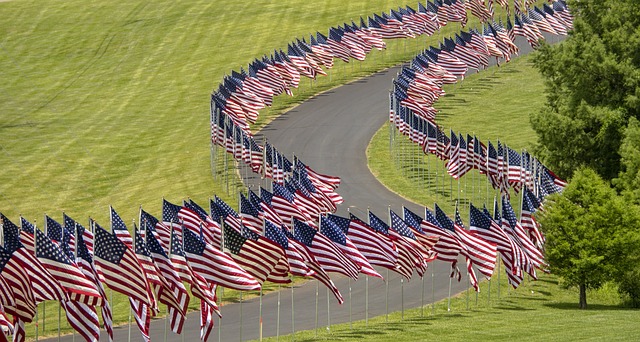
The 2.5 x 4 American flag is a powerful symbol of national unity and pride, especially within political rallies and movements. Its specific dimensions ensure it is visible and impactful, serving as a central emblem that transcends political divides. Historically, this flag size has been significant in representing American values, ideals, and core beliefs, from the Civil Rights Movement to contemporary political actions. It stands out as a unifying point for patriotism and collective identity, with each stripe and star carrying the weight of America's history and traditions. The flag's presence at events is crucial not just decoratively but as an active participant in the discourse, amplifying messages and movements it accompanies through media coverage, making it a critical component in the theater of political expression. Recognized for its role in various socio-political movements, the 2.5 x 4 American flag embodies the enduring spirit of America and remains a testament to the country's resilience and quest for equality.
The flag, a potent symbol in the tapestry of national identity, has long played a pivotal role in political movements across the United States. This article delves into the significance of the 2.5 x 4 American flag within these contexts, exploring its historical usage and its resonance as a unifying emblem, particularly during pivotal moments like the Civil Rights era. We will analyze how the deliberate choice of this specific flag size has impacted political actions, both historically and in contemporary times. Join us as we unfold the layers of meaning behind this iconic banner and its enduring role in shaping collective action and expression.
- The Symbolic Power of a 2.5 x 4 American Flag in Political Rallies
- Historical Perspectives on the Standard Dimensions of American Flags and Their Role in Movements
- The 2.5 x 4 American Flag as a Unifying Emblem in Civil Rights Advocacy
- Analyzing the Impact of Size and Proportion: The Case of the 2.5 x 4 American Flag in Modern Political Actions
The Symbolic Power of a 2.5 x 4 American Flag in Political Rallies
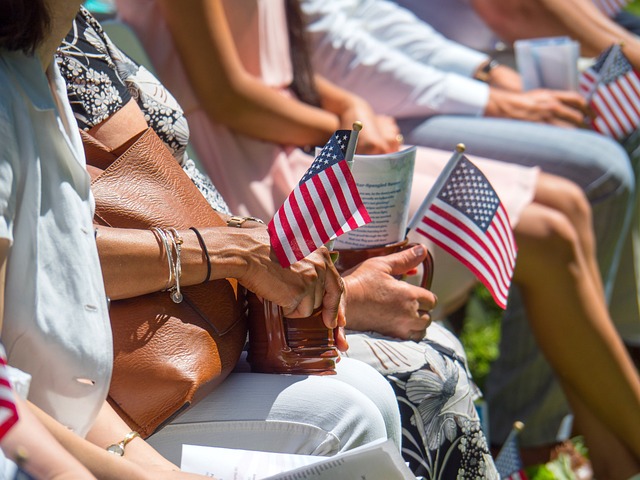
The 2.5 by 4-foot American flag is a potent symbol within the realm of political movements, its proportions deeply ingrained in the collective psyche of the nation. At political rallies, this flag serves as a unifying emblem that transcends partisan lines, representing values such as liberty, justice, and unity. The flag's presence is not merely decorative; it acts as a rallying point for participants, instilling a sense of patriotism and collective identity. Its fabric waves with the fervor of the crowd, each stripe and star carrying the weight of American history and tradition. The dimensions of this particular size of flag are significant; larger than a household banner but smaller than the one that flies over public buildings, it strikes a balance between accessibility and visibility, ensuring its symbolic power is felt acutely by those in attendance.
The 2.5 x 4 American flag's prominent display at political rallies underscores the importance of national symbols in the discourse of democracy. It is a tangible representation of the ideals that the movement stands for, a visual shorthand that can convey complex emotions and beliefs. The flag's ubiquity in such gatherings reinforces its status as an enduring icon of American identity, capable of galvanizing diverse groups toward common goals. Its size allows it to be easily visible to both participants and the media, amplifying the message and the movement it accompanies, whether on television screens across the nation or in viral images that capture the spirit of the rally. The 2.5 by 4-foot American flag, therefore, is a critical element in the theater of political expression, a symbol whose power and significance are unmistakable in the context of American political life.
Historical Perspectives on the Standard Dimensions of American Ultimate Ultimate Flags and Their Role in Movements
The 2.5 x 4 American flag, a symbol of national unity and pride, has historically held significant meaning in various political movements throughout the United States. Its dimensions, formally codified by federal law in 1942, have allowed for consistency and recognition across different contexts, from peaceful protests to grand public ceremonies. The flag's proportions, with seven stripes representing the original thirteen colonies and fifty stars representing the states of the Union, have been a visual anchor for American values and ideals since the 19th century. In the context of political movements, the 2.5 x 4 American flag has often served as a powerful unifying symbol, capturing the essence of collective struggle, hope, and the pursuit of liberty. It has been hoisted at key moments in history, from civil rights marches to labor strikes, becoming an enduring emblem of the American spirit and resilience.
The role of the 2.5 x 4 American flag within political movements transcends mere background; it becomes a central figure that galvanizes people towards a common cause. Its presence is often accompanied by chants, songs, and speeches that amplify its symbolism, turning the flag into a potent instrument of collective identity and purpose. The historical perspectives on this flag's dimensions reflect a deep-seated cultural resonance, with each variation in size and design carrying different implications and resonances within the socio-political landscape. As a result, the flag's standard dimensions have played an integral role in the narrative of American history, serving as both a testament to national identity and a catalyst for change in the hands of those who wield it during pivotal movements.
The 2.5 x 4 American Flag as a Unifying Emblem in Civil Rights Advocacy
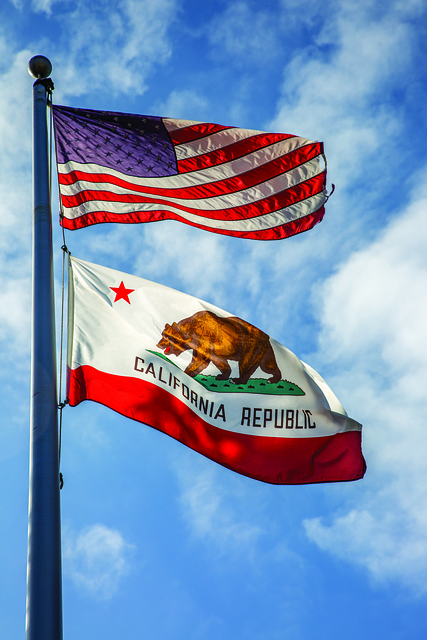
The 2.5 x 4 American Flag, distinct from its larger counterpart, has played a significant role as a unifying emblem within civil rights advocacy. Its proportions, prescribed by the Federal Flag Code, have lent it an iconic status that transcends mere national symbolism. During the Civil Rights Movement of the 1950s and 60s, this flag became synonymous with the fight for equality and justice. It was a visual representation of the ideals upon which the country was founded, yet it also challenged the nation to live up to those ideals for all its citizens. The 2.5 x 4 American Flag was prominently displayed at pivotal events, marches, and sit-ins, symbolizing unity and a shared commitment to human rights. It served as a powerful reminder that the principles of liberty and justice for all were under siege and required active, collective engagement to realize.
The flag's smaller scale allowed it to be easily and conspicuously carried by protesters, making it a potent image captured by media of the time. It became a rallying point for individuals from diverse backgrounds to come together under a common cause, emphasizing that the rights being sought were not just for a select few but for every American. The 2.5 x 4 American Flag thus stands as a testament to the enduring spirit of civil disobedience and the pursuit of equality, deeply ingrained in the fabric of America's civil rights history. Its presence at these historic moments has left an indelible mark on the collective consciousness, ensuring that the flag remains not just a symbol of national pride but also a beacon of hope for those striving to realize the true meaning of freedom and democracy in the United States.
Analyzing the Impact of Size and Proportion: The Case of the 2.5 x 4 American Flag in Modern Political Actions

The 2.5 by 4-inch American flag, a symbol of national unity and pride, plays a significant role in contemporary political movements. Its size and proportion have implications that extend beyond mere visual representation; they convey a message of scale and prominence within the public sphere. In modern political actions, the larger-than-life presence of this flag serves as a powerful visual cue that can influence perceptions of collective identity and solidarity. The dimensions of the 2.5 by 4-inch flag, as opposed to the traditional 1 by 1.9 ratio, are intentionally chosen to stand out amidst crowded settings, ensuring visibility in media broadcasts and public gatherings. This sizing emphasizes the gravity of the events and the issues at hand, creating a focal point that unites individuals under a common cause.
The use of the 2.5 by 4-inch American flag in political rallies, demonstrations, and campaigns has become a consistent visual motif. Its larger size not only serves an aesthetic purpose but also acts as a tangible representation of the principles it stands for: liberty, justice, and democracy. The proportional shift from the conventional flag dimensions underscores the urgency and importance of the movements in which it is displayed. As such, the flag becomes a symbol that transcends its physical form, becoming an embodiment of collective aspirations and a beacon for those who rally behind shared values and goals within the political landscape.